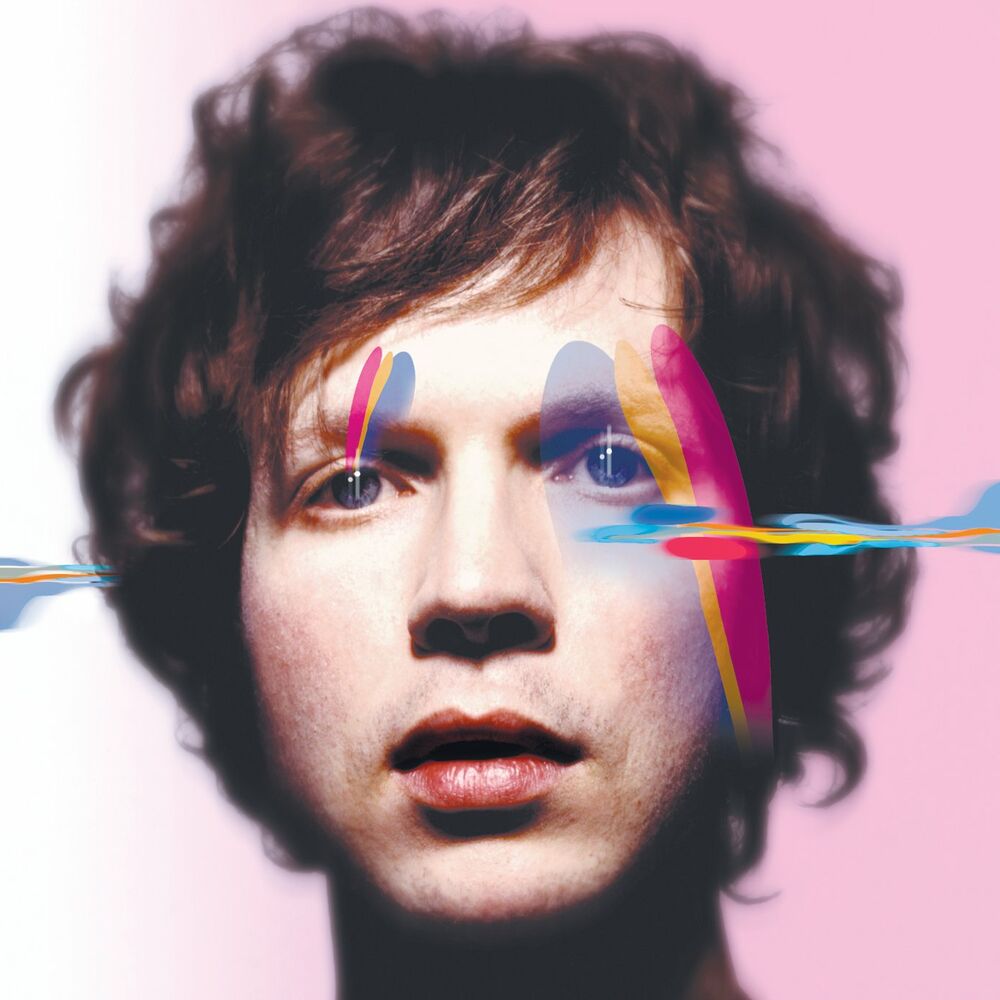
Sea Change
- Released20 May 2015
- UK peak No. 20
- Weeks on UK chart 4
- Entered UK chart 29 September 2002
- LabelInterscope
- Tracks12 · 52 min
Tracks
| 1 | The Golden Age | 4:35 | |
| 2 | Paper Tiger | 4:36 | |
| 3 | Guess I'm Doing Fine | 4:49 | |
| 4 | Lonesome Tears | 5:38 | |
| 5 | Lost Cause | 3:47 | |
| 6 | End Of The Day | 5:03 | |
| 7 | It's All In Your Mind | 3:05 | |
| 8 | Round The Bend | 5:15 | |
| 9 | Already Dead | 2:59 | |
| 10 | Sunday Sun | 4:44 | |
| 11 | Little One | 4:27 | |
| 12 | Side Of The Road | 3:24 |
About the album
Sea Change is the eighth studio album by American musician Beck, released on September 24, 2002, by Geffen Records. Recorded over a two-month period in Los Angeles with producer Nigel Godrich, the album features themes of heartbreak and desolation, solitude, and loneliness. For the album, much of Beck's trademark cryptic and ironic lyrics were replaced by simpler, more sincere lyrics. He also eschewed the heavy sampling of his previous albums for live instrumentation. Beck cited the breakup with his longtime girlfriend as the major influence on the album.
Sea Change peaked at number 8 on the Billboard 200, later being certified gold in 2005 by the RIAA. It was met with favorable responses from critics, who considered Beck's transition from eccentric, sonically experimental work to emotional balladry to be successful and convincing. The album later appeared in many publications' lists of the best albums of the 2000s, and it remains one of Beck's best-reviewed recordings.
In 2014, Beck released the album Morning Phase, described in a press release as a "companion piece" to Sea Change, featuring the same personnel who performed on it with the exception of Godrich.
"Lost Cause" and "Guess I'm Doing Fine" were released as promotional-only singles.
Background
Following Beck's tour for his Midnite Vultures album, Beck and his fiancée, stylist Leigh Limon, ended their nine-year relationship. Three weeks before Beck's 30th birthday, he was told Limon had allegedly been having an affair with a member of Los Angeles band Whiskey Biscuit. Limon denied the allegation but was convinced to sign contracts that dissolved her relationship with Beck in the presence of Sea Org members from the Church of Scientology. Beck lapsed into a period of melancholy and introspection, during which he wrote the bleak, acoustic-based tracks on Sea Change. He wrote most of the album's 12 songs in one week, but shelved them. "Songs sit in my head for a while," he told Time in 2002. "I have dozens in there, songs from eight years ago that I've written but never recorded.
Recording and production
Beck and his group of musicians entered the studio with intentions to make the record an acoustic-based offering, in the vein of those for his emotive 1998 disc Mutations. Early in the recording process, Beck told Godrich that he was hoping to record one track per day, similar to the process of Mutations. However, each song ended up taking at least two days to record, due to orchestral arrangements. Musical partners in the studio included drummer James Gadson, and guitarist Jason Falkner, as well as longtime musical partners, keyboardist Roger Joseph Manning Jr., bassist Justin Meldal-Johnsen, drummer Joey Waronker, guitarist Smokey Hormel, and cellist Suzie Katayama. In addition, Beck's father, David Campbell, provided string arrangements. Joey Waronker left mid-way through recording for Hawaii; James Gadson filled in for him the remaining days.
Recording began as soon as the band entered Ocean Way Studios in Los Angeles on March 6, 2002. Much of Sea Change was recorded live, with extra effects (including bells and strings) added later.
Composition
Sea Change is based around a musical suite of reflective, acoustic-based songs that showcase Beck's singer-songwriter side. The term sea change is defined as a broad transformation, which reflects the departure in style from both Beck's previous effort Midnite Vultures and previous, sample-based recordings, as well as Beck's desire to give each album an identity. Origins for the album's unique, passionate sound had been building up for years, according to Beck in a 2002 interview: "There are threads of what I've done before. If you listen to my earlier B- sides, you'll hear this record. I have been wanting to make this record for years," he explained. "I've been edging towards the idea, and so it just took a while." Despite initial difficulty upon deciding on the name, the title originates from "Little One", the eleventh track on the album: "Drown, drown / Sailors run aground / In a sea change nothing is safe".
The recordings from the Sea Change sessions include themes of heartbreak and desolation, solitude and loneliness.
Promotion and release
Before release, retailers worried about the commercial impact of Sea Change due to its sound. Analysts predicted the album would not receive heavy radio support, noting that Beck's reputation, critical acclaim and the possibility of multiple Grammy nominations might offset an uncommercial sound. "It's a really beautiful album, but it's going to appeal to a different audience than he's had before," said Vince Szydlowski, senior director of product for the Virgin Megastore chain, shortly before the release of Sea Change. "If you're used to the 'two turntables and a microphone' Beck, then this isn't the record for you. I think it'll go gold, but it'll struggle beyond gold." The album's release date was announced May 31, 2002. In addition, the album's initial track listing was also released, featuring songs in a very different order than their final version, as well as including the track "Ship in the Bottle". The album's title was announced in August 2002.
Artwork
Sea Change was released with four different album covers, each version containing distinct digital artwork by Jeremy Blake on the CD and the booklet. There were also different hidden messages (lyrical snippets) written under each version's CD tray.
The original cover art for the album was used as an effigy in the music video for lead single "Lost Cause".