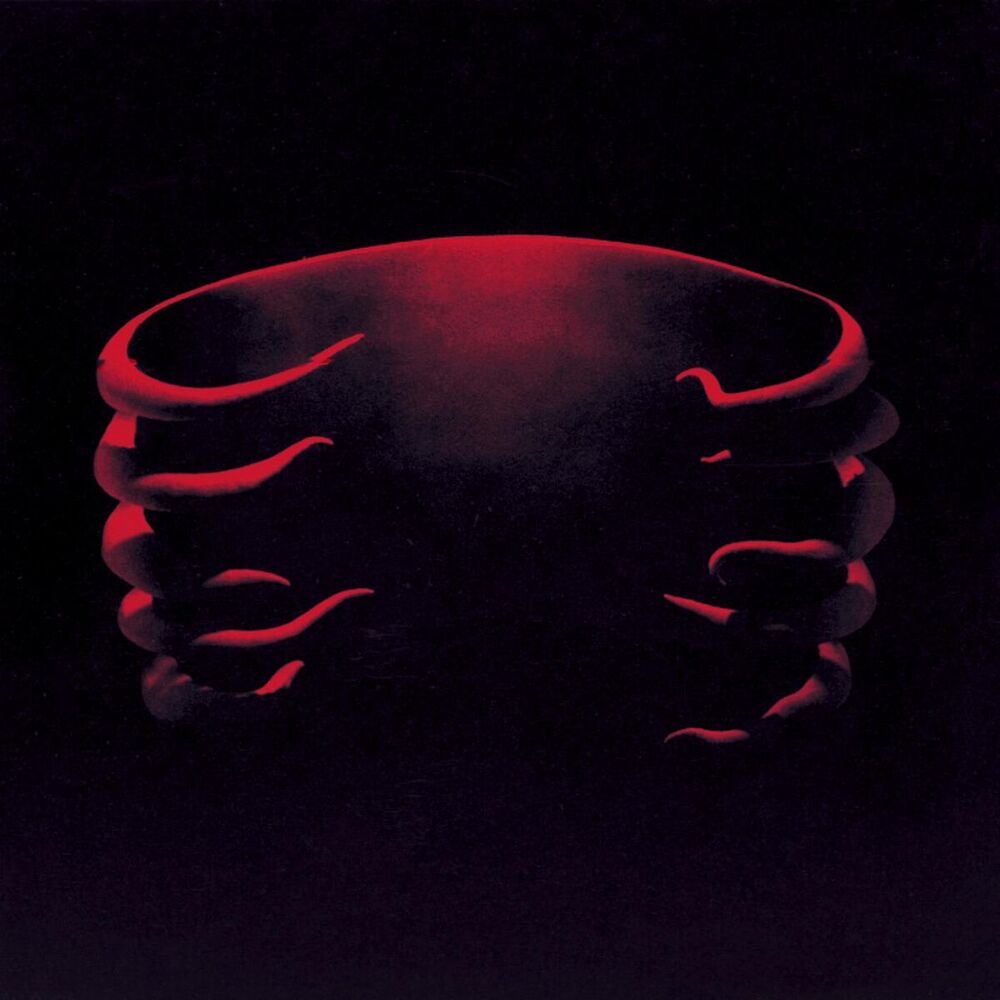
One track from it charted as a single. Press a flag to play it in the chart where it peaked.
Tracks
| 1 | Intolerance | 4:54 | |
| 2 | Prison Sex No. 81 · 1994 | 4:56 | |
| 3 | Sober | 5:06 | |
| 4 | Bottom | 7:13 | |
| 5 | Crawl Away | 5:29 | |
| 6 | Swamp Song | 5:31 | |
| 7 | Undertow | 5:20 | |
| 8 | 4° | 6:02 | |
| 9 | Flood | 7:45 | |
| 10 | Disgustipated | 15:47 |
About the album
Undertow is the debut studio album by the American rock band Tool, released on April 6, 1993, by Zoo Entertainment. Produced by the band and Sylvia Massy and recorded at Grand Master Studios in Hollywood, the album includes some tracks omitted from the band's debut EP Opiate and is their only album to feature original bassist Paul D'Amour.
According to AllMusic, Undertow helped heavy metal remain prominent as a mainstream musical style, and allowed several later bands to break through to the mainstream. It was released at a time when grunge was at the height of its popularity, and pop punk was slowly beginning to gather mainstream attention. AllMusic saw the album's success in the "striking, haunting visuals that complemented the album's nihilistic yet wistful mood."
As of 2021, Undertow has been certified triple platinum by the Recording Industry Association of America.
Background
Comedian Bill Hicks is noted as "inspiration" in the album's liner notes. Undertow is the only Tool album released while he was still alive. Hicks's presence would feature prominently on Tool's next album, Ænima.
Chris Haskett, then with the Rollins Band, is credited in the liner notes with "sledge hammer", probably relating to the "three pianos and shotguns smashed with sledgehammers" on "Disgustipated". Adam Jones recalls a story in which the band purchased two second-hand pianos with the intention of blasting them with shotguns in the indoor parking lot of Grand Master Studio and putting the resulting sounds to tape. Apparently the woman running the studio was happy as long as they cleaned up the mess afterwards. Since the incident, Tool has been approached by other bands claiming to have seen the shotgun holes left by them in the parking lot wall.
Artwork
The album art was designed by Adam Jones. Photos in the liner notes of a nude obese woman, a nude thin man, and the band members with pins in the sides of their heads generated controversy, resulting in the album being removed from stores such as Kmart and Walmart. The band reacted by releasing another version, which depicted a giant barcode on a white background. This version of the album included a note from the band:
It came to our attention recently that many stores across our fine and open minded nation would not stock Undertow because of our explicit artwork. Although we loathe being censored, we want your money we still want you to hear our music, so we took it out. However, it is available to you at no extra cost. Fill out the form, stick it in an envelope, mail it in, and we will send you the original artwork.
Reception
AllMusic gave the album a positive review, stating "With its technical brilliance, musical complexities, and aggressive overtones, Undertow not only paved the way for several bands to break through to the mainstream adolescent mall-rage demographic, it also proved that metal could be simultaneously intelligent, emotional, and brutal." In Entertainment Weekly's review of the album, David Browne said "Like many of its brethren in the alternative-metal corps—Alice in Chains, Stone Temple Pilots, and Helmet—Tool can crunch and lumber about with the best of them. What put this L.A. band a notch above the rest are better songs (with actual verses, choruses, and hooks-check out the terrific "Prison Sex") and the hints of vulnerability in singer Maynard James Keenan's voice".
In a Dotdash bibliographical article of the band, reviewer Tim Grierson called the album the "Essential Tool Album" and stated "It may be impossible to describe the impact that Undertow had at the time of its release in 1993.