Tracks
| 1 | Frederick | 3:03 | |
| 2 | Dancing Barefoot | 4:16 | |
| 3 | So You Want to Be | 4:20 | |
| 4 | Hymn | 1:12 | |
| 5 | Revenge | 5:05 | |
| 6 | Citizen Ship | 5:12 | |
| 7 | Seven Ways Of Going | 5:18 | |
| 8 | Broken Flag | 4:56 | |
| 9 | Wave | 4:41 | |
| 10 | Fire Of Unknown Origin | 2:08 | |
| 11 | 54321 / Wave (Live) | 2:43 |
About the album
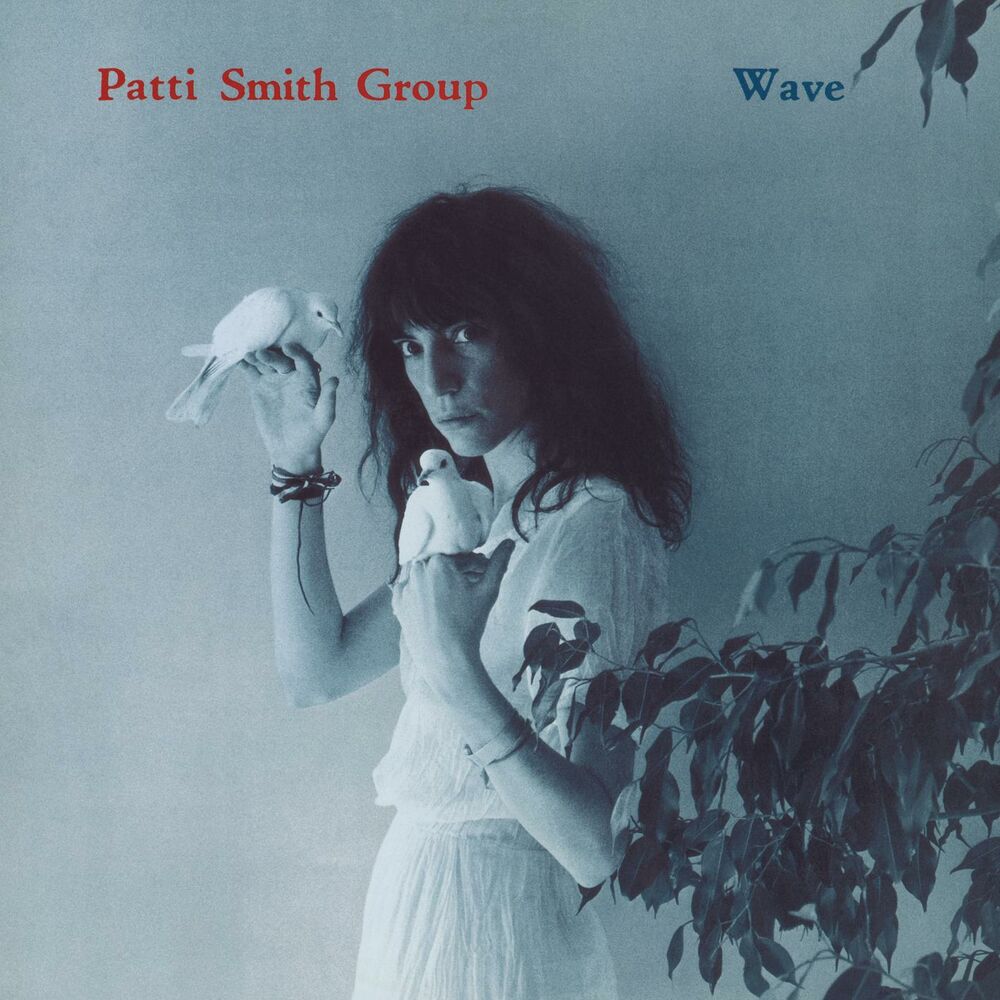
Wave is the fourth studio album by Patti Smith, and the third and final album where the Patti Smith Group is billed. It was released on May 17, 1979, by Arista Records. Produced by Todd Rundgren, the album continued the band's move towards more radio-friendly mainstream pop rock sound. Wave garnered a mixed reception from music critics and was less successful than its predecessor, Easter (1978). However, the songs "Frederick" and "Dancing Barefoot" both received commercial airplay. Following the album's release, the band disbanded, and frontwoman Patti Smith pursued a solo career nine years later with Dream of Life (1988).
Background and release
The title track was a tribute to Pope John Paul I, whose brief papacy coincided with the recording sessions of Wave. The first single of the album was "Frederick", a love song for frontwoman Patti Smith's fiancé Fred "Sonic" Smith with a melody and structure bearing a resemblance to "Because the Night", the group's biggest hit. Smith began writing the lyrics of second single "Dancing Barefoot" in late 1978 and recorded it in 1979. The song was described as "a swirling, seductive love song" that uses "love-as-addiction" metaphors and wordplay with the words "heroine" and "heroin". Smith stated she was told to replace the word "heroine" with a synonym because of issues with radio airplay, but she objected the decision since she actually intended the lyric to reference the female equivalent of hero. Rolling Stone ranked the song number 323 on their 2004 list of the "500 Greatest Songs of All Time". Both songs received commercial airplay.
Critical reception
In Christgau's Record Guide: Rock Albums of the Seventies (1981), Robert Christgau found the album "quirkier than the more generally satisfying Easter and praised "Dancing Barefoot" and the title track. However, he dismissed "Seven Ways of Going" and "Broken Flag" as "unlistenable [and less interesting than]" the band's 1976 album Radio Ethiopia. Tom Carson of Rolling Stone also negatively likenened Wave to Radio Ethiopia, concluding that the record "is too confused and hermetically smug to be much more than an interesting failure." The Globe and Mail determined that "Rundgren handles the production chores with remarkable restraint as he showcases Patti Smith the suicidal torch singer, admirably backed by her resident group of musicians."
AllMusic's William Ruhlmann noted that Smith "achieves a sense of charm and sincerity on Wave that she hadn't even attempted on her earlier albums" but lamented that "the overall mediocre quality of the material makes this the slightest of Smith's efforts." In a 2019 review for PopMatters, Matt McKinzie dubbed the album as the singer's "most unapolo