One track from it charted as a single. Press a flag to play it in the chart where it peaked.
Tracks
| 1 | Stereotomy No. 82 · 1986 | 7:18 | |
| 2 | Beaujolais | 4:27 | |
| 3 | Urbania | 4:59 | |
| 4 | Limelight | 4:39 | |
| 5 | In the Real World | 4:17 | |
| 6 | Where's the Walrus? | 7:34 | |
| 7 | Light of the World | 6:22 | |
| 8 | Chinese Whispers | 1:02 | |
| 9 | Stereotomy Two | 1:18 |
About the album
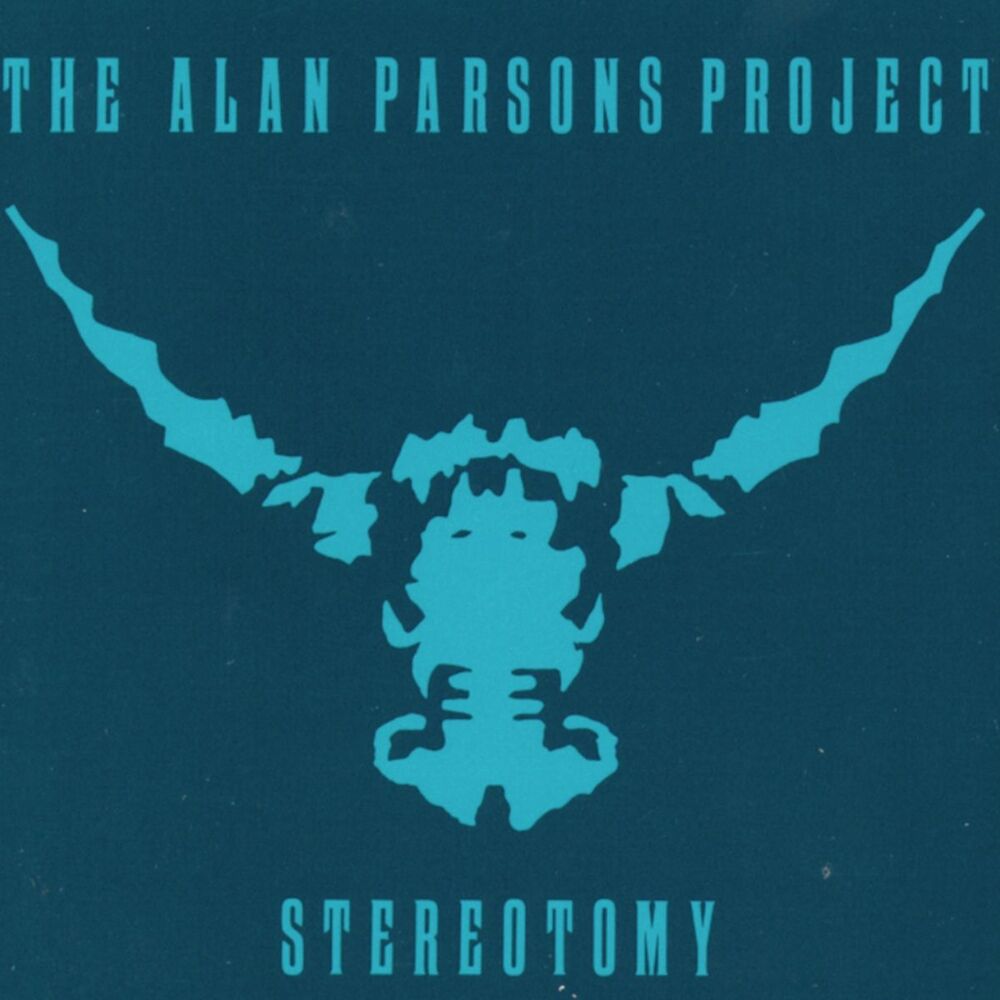
Stereotomy is the ninth studio album by the Alan Parsons Project, released in December 1985 by Arista Records.
Not as commercially successful as its predecessor Vulture Culture, the album is structured differently from earlier Project albums: containing three lengthy tracks ("Stereotomy" at over seven minutes, "Light of the World" at over six minutes, and the instrumental "Where's the Walrus?" running over seven and a half minutes) and two minute-long songs at the end. It is a full digital production and both the LP and CD releases were encoded using the two-channel Ambisonic UHJ format. Stereotomy earned a Grammy nomination in 1987 – for Best Rock Instrumental Performance: Orchestra, Group, or Soloist – for the track "Where's the Walrus?"
Stereotomy marks the final appearance of David Paton on bass – he went on to join Elton John's touring band – and is the first Project release since Tales of Mystery and Imagination not to feature Lenny Zakatek.
Background
The word "stereotomy" is taken from "The Murders in the Rue Morgue" by Edgar Allan Poe. It refers to the cutting of solid shapes into different forms, and is used as a metaphor for the way that famous people (singers, actors, etc.) are 'shaped' by the demands of fame. The short track "Chinese Whispers" also references "Rue Morgue" in that although an instrumental, it features Eric Woolfson’s daughters Sally and Lorna reciting a sequence of words from the story.
Prior to the recording sessions of Stereotomy, Parsons and Woolfson contacted a mutual friend who worked as a radio programmer to conduct research on what fans of the Alan Parsons Project expected from them. The radio programmer conveyed to them that fans preferred to hear less of Woolfsons' vocals and were also alienated by the band's pivot toward more commercially friendly music.
Recording
Whereas previous Alan Parsons Project albums had been recorded on analog tape and mastered digitally, Stereotomy was recorded digitally from the onset. Parsons said that they "made a major commitment to digital format in the studio, recording Stereotomy all digital from day one." The band explained that they made this decision to retain the same level of fidelity throughout the recording process, regardless of how many overdubs and playbacks were conducted. Woolfson discussed this method with Dave Zimmer of BAM magazine in 1986.
No matter how good the original tracks were, we discovered there was an actual physical deterioration of analog tapes. Just the physical process of running the tape across the heads caused a few molecules to get lost and we'd be left with something less than powerful. But with digital, we found the original excitement just never went away.
Woolfson's role as a lead vocalist and keyboardist was also reduced on Stereotomy.
Artwork
The original vinyl packaging was different from all the reissues: it featured more elaborate artwork of the paper sleeve supplied with a special color-filter oversleeve. When inserted, the over-sleeve filtered some of the colors of the artwork, allowing four different variations. In the reissues, only one variant remained. The artwork was nominated for Best Album Package at the 29th Annual Grammy Awards, but lost to Miles Davis's album Tutu, designed by art director Eiko Ishioka.
Release
Arista Records established a release date of 19 December 1985 for Stereotomy, which was reported in the 2 November 1985 edition of Billboard magazine. This was also established as the release date in the United Kingdom. In the United States, CD copies of Stereotomy were still in the manufacturing stage by early February 1986. The album's title track received airplay on album oriented rock radio stations and was also given a music video.
The band was involved in a dispute with Arista over royalties from CD sales. Woolfson said that the band had originally agreed to a royalty rate equivalent to that of vinyls during the nascent stages of CD marketing and that the royalty rate would increase once CDs were more established in the marketplace.
Arista and the band had signed a contract on 5 December 1985 establishing a 30-day negotiation period that allowed for royalty restructuring. After the 30 days lapsed, Woolfson insisted that the band's royalty rates would automatically increase.
Critical reception
Stereotomy generally received negative reviews from music critics. Music Week wrote that with the exception of "Real World" and "Light of the World", the album failed to live up to the potential of the band's previous work, resulting in an album that they found to be "frustratingly commercial, meandering and sadly disappointing." Writing for Sounds, Roger Holland called the album "dreadful" and a "monstrosity" and believed that the album's pre-programmed, computerized technique and self-professed sophistication" came at the expense of "any semblance of human emotion." In his review of the album, J. D. Considine of Musician wrote simply: "Unnecessary surgery."
The Canadian music trade publication RPM said that Stereotomy had "a unique blend of electronic pop and rock vocal styles with fine guitar work from Ian Bairnson." AllMusic felt that the album "came up short" and was only partially salvaged by some of the instrumental compositions, which created "some musical buoyancy among the blandness of the other tracks."