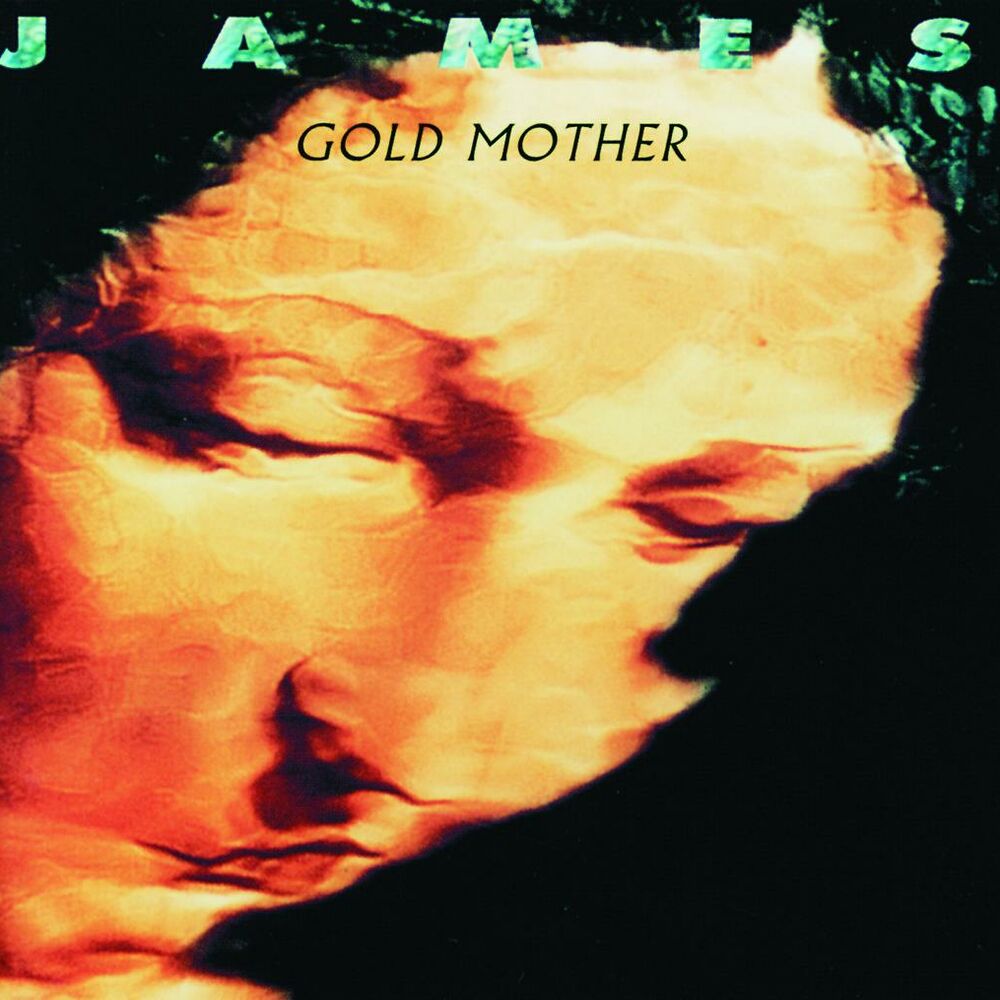
Gold Mother
- Released7 May 2007
- UK peak No. 2
- Weeks on UK chart 34
- Entered UK chart 10 June 1990
- LabelEMI
- Tracks15 · 81 min
4 tracks from it charted as singles. Press a flag to play it in the chart where it peaked.
Tracks
| 1 | 3:55 | ||
| 2 | Lose Control No. 38 · 1990 | 3:55 | |
| 3 | Government Walls | 5:46 | |
| 4 | God Only Knows | 4:39 | |
| 5 | You Can't Tell How Much Suffering (On A Face That's Always Smiling) | 2:55 | |
| 6 | How Was It For You? No. 32 · 1990 | 4:06 | |
| 7 | 4:04 | ||
| 8 | Walking The Ghost | 6:12 | |
| 9 | Gold Mother | 7:54 | |
| 10 | Top Of The World | 3:48 | |
| 11 | Crescendo | 7:02 | |
| 12 | Hang On | 4:05 | |
| 13 | 8:26 | ||
| 14 | Lose Control (Live At GLR) No. 38 · 1990 | 3:32 | |
| 15 | 10:13 |
About the album
Gold Mother is the third studio album by English rock band James. It was released on 4 June 1990 on Fontana Records. With the addition of drummer David Baynton-Power, violinist/guitarist Saul Davies, and keyboardist Mark Hunter, James released the single "Sit Down" in June 1989, before going to record their next album. Sessions were held at Out of the Blue in Manchester, The Windings in Wrexham, Wales, with three band members and Nick Garside producing. Described as an arena rock and indie rock album, Gold Mother was compared to the likes of U2 and the Waterboys.
"Come Home" was released, through Rough Trade Records, as the lead single from Gold Mother in November 1989. Following this, the band switched from Rough Trade to Phonogram sublabel Fontana Records. "How Was It for You" appeared as the second single in April 1990; two months later, the band embarked on a UK tour. A Flood mix of "Come Home" was released as the album's third single in June 1990, followed by fourth single "Lose Control" in November 1990. The band ended the year with shows in the United Kingdom and Russia. A re-recorded version of "Sit Down" was released the album's fifth and final single in March 1991.
Background
James released their second studio album Strip-mine in September 1988, through Sire and Blanco y Negro Records. While making it, two of Sire's popular acts (the Housemartins and the Smiths) had broken up, and were anticipating James to be their next breakthrough artist. The album had been delayed from release by Sire on eight different occasions, and was remixed at the insistence of the band's managers Eliot Rashman and Andy Dodd. Sometime later, Rashman and Dodd resigned, and McDonagh, who had managed the band previously, was reinstated. Two months after the album's release, the band left Sire.
Around this time, keyboardist Mark Armistead joined the band on a part-time basis; drummer Gavan Whelan was asked to leave in December 1988. They continued to gig, some shows featured Gary Rostock of Easterhouse or Mike Pickering's girlfriend as substitutes, until the following month when they were auditioning for a replacement. During these auditions, the band came up with several new songs through improvisations.
Production
Happy with the success of One Man Clapping, Rough Trade founder Geoff Travis agreed to fund the band's next studio album. Following this, the band recorded Gold Mother over the course of two months with frontman Tim Booth, Gott, bassist Jim Glennie, and Nick Garside – who had previously produced on the band's early EPs – serving as producers. The sessions were initially held at Out of the Blue in Manchester. Around this time, the Madchester was exploding in popularity, which saw several acts that had supported James in the past – namely, the Happy Mondays, the Stone Roses, and the Inspiral Carpets – become successful. Gott was bitter about the experience: "They were getting the star treatment", such as big-name producers and working on expensive recording consoles, while also approaching the band for advice, "you're up there and look where we are, back with Nick in Out Of the Blue".
When watching the Happy Mondays live, the band noticed them using a drum machine.
Composition and lyrics
Musically, the sound of Gold Mother has been described as arena rock, and indie rock, compared to the likes of U2 and the Waterboys. Author Michael Heatley said the band's sound varied too much to consider Gold Mother part of the Madchester sound, in favour of arena rock and influences from folk. John Slater played additional percussion on "Come Home" and "You Can't Tell How Much Suffering (On a Face That's Always Smiling)". Booth's girlfriend and the band's manager Martine McDonagh sung backing vocals on "Hang On" and "Crescendo", while the Inspiral Carpets contributed backing vocals on "Gold Mother", which also featured saxophone from Corrigan.
"Come Home" was written in an hour, and is based around Booth's separation from McDonagh, with whom he had a son. Booth said they had written the song accidentally, as they were trying to play "Sit Down"; it features a house-esque piano riff. "Government Walls" talks about the 1989 secrets act, and the case against Peter Wright.
Release
In September 1989, James headlined a benefit for the Campaign for Nuclear Disarmament. The release of the "Come Home" single was promoted with a month-long tour of the UK, with support from the Band of Holy Joy; Diagram joined James for this stint. He was hesitant at first, due to the implosion of his band Dislocation Dance, and a grow resentment to any kind of pop, as he was more enthralled by experimental jazz. During the London date of the tour, the band had learned from their sound engineer that Dave Bates of Fontana Records was in attendance, alongside A&R people from other labels.
Gold Mother was planned for release in February 1990; around this time, the band were in talks with Fontana's owner Phonogram as they had recently relaunched the label. While this was occurring, Rough Trade was struggling with insolvency issues. Travis expected the band to sell around 20,000 copies, and in response, they asked to be released from their contract from Rough Trade.
Singles
"Come Home" was released as lead single to Gold Mother in November 1989, with "Promised Land" and "Slow Right Down" as extra tracks. The success of it was hampered due to Music Week misprinting their top 100 singles, resulting in a loss of airplay and opportunities to appear on TV. "How Was It for You" was released as a single on 30 April 1990, with "Lazy", "Undertaker", live versions of "Whoops" and "Hymn from a Village", and remixes of "How Was It For You" as extra tracks. The music video for "How Was It for You" was directed by Swivel, and sees Booth singing underwater. In spite of it charting well, the band were not allowed to appear on Top of the Pops, with the show refusing to air the video in the event younger viewers would attempt to recreate it.
A remix of "Come Home", done by Flood, was released as a single on 25 June 1990, with "Dreaming Up Tomorrow", "Fire Away", live versions of "Stutter" and "Come Home", and remixes of "Come Home" and "Gold Mother" as extra tracks.