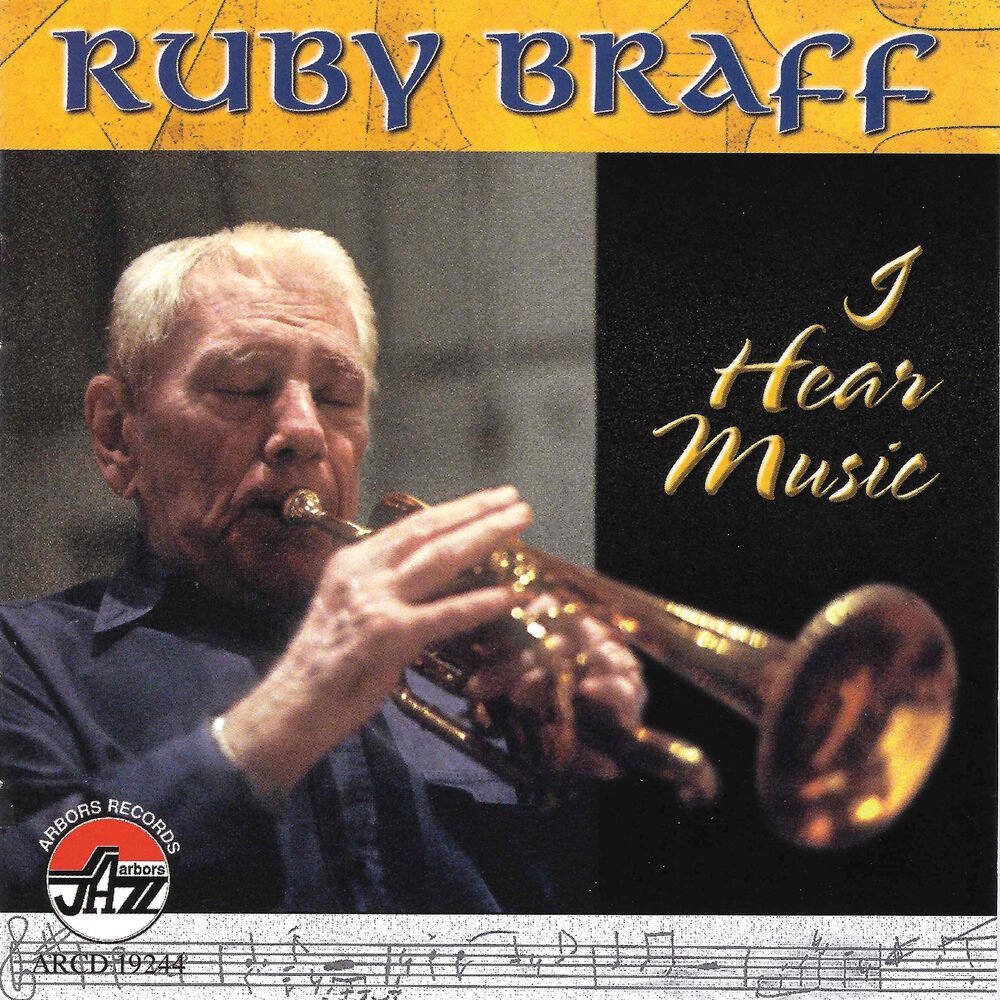
Tracks
| 1 | I Hear Music | 11:14 | |
| 2 | Chicago Medley: Chicago / My Kind Of Town | 13:45 | |
| 3 | Baby, Won't You Please Come Home | 7:46 | |
| 4 | Wouldn't It Be Loverly' | 8:44 | |
| 5 | Yesterdays | 8:39 | |
| 6 | I Would Do Anything For You | 6:49 | |
| 7 | We're All Through | 4:08 |
About the album
In the Wee Small Hours is the ninth studio album by the American singer Frank Sinatra, released on April 25, 1955, by Capitol Records. Produced by Voyle Gilmore with arrangements by Nelson Riddle, the album's songs deal with themes such as introspection, melancholy, lost love, failed relationships, depression and night life; as such, it has been called one of the first concept albums. The cover artwork reflects these themes, portraying Sinatra alone at night on an eerie and deserted city street awash in blue-tinged street lights.
The album was a commercial success, cementing Sinatra's career resurgence after releasing a string of hit singles and two prior albums with Capitol, and winning an Academy Award for his role in the 1953 film From Here to Eternity. In the Wee Small Hours peaked at number two on the US Billboard 200 chart, where it stayed for 18 weeks, becoming Sinatra's highest-charting album since Songs by Sinatra in 1947. It was issued as two 10-inch LP discs, but also as one 12-inch record LP, making it one of the first of its kind in the pop field. It was also issued as four four-song 45 rpm EP discs sold in cardboard sleeves with the same cover as the LPs.
Background
By the early 1950s, Sinatra saw his career in decline, his teen "bobby soxer" audience having lost interest in him as he entered his late 30s. In 1951, he went so far as to attempt suicide, according to one author. Later that year, a second season of The Frank Sinatra Show was aired on CBS, but failed to receive the same positive reception the first season had, with its host having lost his previous energy. Later, Sinatra was dropped from Columbia.
Against the wishes of his colleagues, on March 14, 1953, vice president of A&R at Capitol Alan Livingston signed Sinatra to a seven-year deal. The deal proved to be a success; later that year in August, Sinatra appeared as Private Angelo Maggio in the film From Here to Eternity. The film was successful and his performance was acclaimed, winning the Academy Award for Best Supporting Actor and the Golden Globe Award for Best Supporting Actor.
Recording
Sinatra's vision for the album distinguished him from many other pop acts of the time, most of whom put out records that were little more than collections of already released singles. He created a firm distinction between songs intended as singles for radio airplay and for jukeboxes, and those songs he intended to package together in an album. Thus, the sessions intended for album releases tended to be more serious, with a focus on artistic experimentation rather than strict commercial success.
In the Wee Small Hours was recorded before stereophonic technology, but the fidelity of this monophonic album feels "warm" to modern ears. The album was recorded in five sessions at KHJ Studios, Hollywood. These sessions took place on February 8, 16, and 17, and April 1 and 4, and would start at 8:00 P.M., continuing till past midnight. The sessions were recorded in Studio C, located downstairs, which was a smaller studio designed to record small ensembles.
Artwork
The cover artwork is designed to set the mood for the music. It shows Sinatra alone after dark on an eerie and deserted street awash in blue-tinged street lights, reflecting the album's themes of introspection, lost love, failed relationships, depression and night life. It is significant that Sinatra is depicted alone, as loneliness during the "Wee Small Hours" is a theme of the album. Rather than at a rakish angle, Sinatra's snap-brim fedora hat is pushed back, suggesting resignation and openness. The artwork is reminiscent of film noir poster art and hardboiled/pulp fiction book covers.
Themes
Themes of loss, and love's bittersweet relationship to loss, pervade the album. Yet the ending tone is not one of despair, but of hope and survival as made possible by cathartic reflection. Perhaps given as kindly advice by a person of experience, Jonathan Schwartz believes the album refrains from being "mushy" but instead presents the material in a stately manner. Sinatra's next album, Songs for Swingin' Lovers!, seems to follow up on this promise by depicting an individual who is "free to enjoy women again". These two albums well represent the "heartbroken/ hedonistic duality" of Sinatra's persona in the mid-1950s.
Critical reception
Since its release, In the Wee Small Hours has been regarded as one of Sinatra's best, often ranked with Songs for Swingin' Lovers! (1956) and Frank Sinatra Sings for Only the Lonely (1958). It is also considered by many to be one of the best vocal jazz releases of all time. It received immediate critical acclaim on its release.
In 2000, it was voted number 359 in Colin Larkin's All Time Top 1000 Albums. Stephen Thomas Erlewine commented in AllMusic that the album had an authentic melancholy mood, and is "one of Sinatra's most jazz-oriented performances". Another critic called the album "...perhaps the definitive musical evocation of loneliness". Jazz historian Scott Yanow described the album as "Sinatra often mourning lost love and sounding a bit desolate but ultimately hopeful." Writing for The New Yorker, Andy Friedman credits In the Wee Small Hours with changing the purpose of an LP from a mere collection of singles into an art form capable of high literature.
Legacy
The album marked a turning point for Sinatra, the beginning of Sinatra's "mature" singing style, carrying with it both depth of emotive expression and willingness to experiment rhythmically. Sinatra's relationship with Gardner had previously largely been unaccepted by the general public. John Rockwell believes it was this album, because of the genuine emotional palette on display, that changed the perception of the "validity" of the ill-fated romance.
Charles Granata opines that this album of ballads best defines Sinatra and the era in which it was recorded. Based largely on Sinatra's reputation, this album helped change the "tough guy" image, allowing for a larger range of acceptable emotional responses from men, which might previously have been perceived as for wimps.