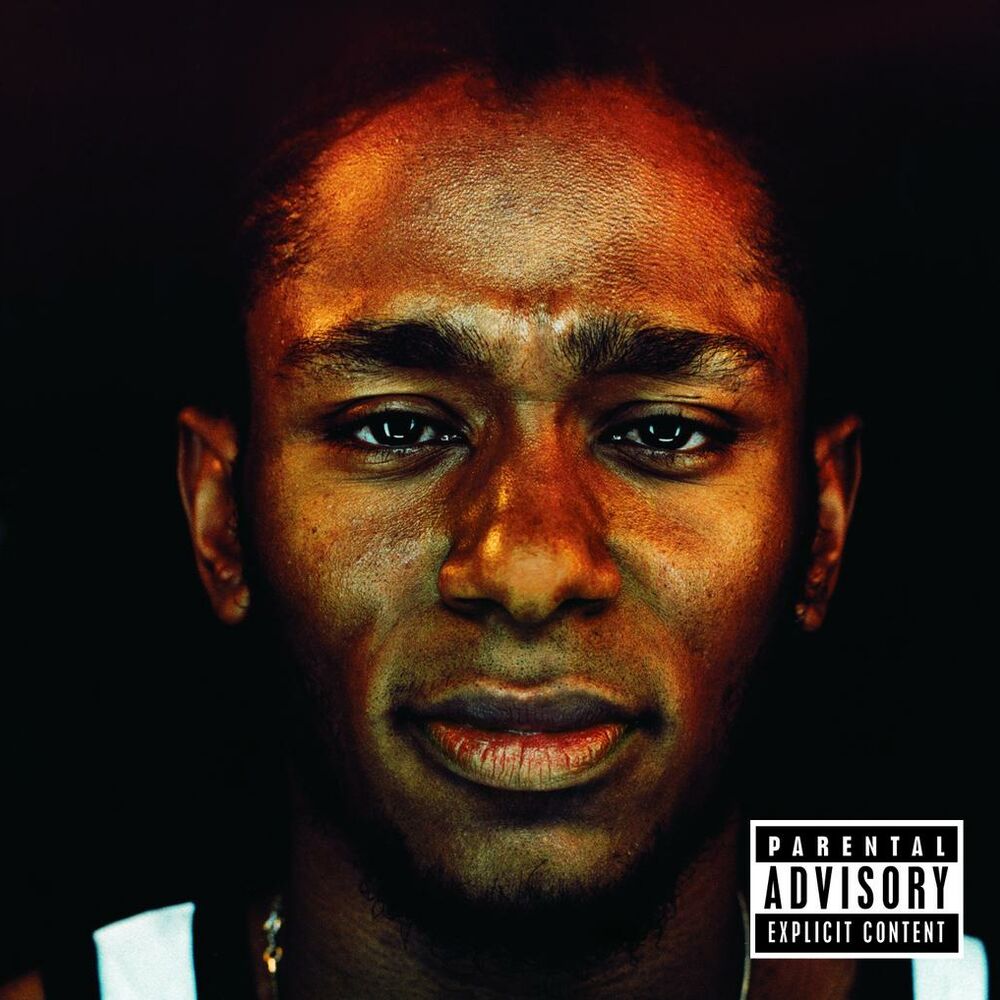
2 tracks from it charted as singles. Press a flag to play it in the chart where it peaked.
Tracks
| 1 | Fear Not Of Man | 4:28 | |
| 2 | Hip Hop | 3:16 | |
| 3 | Love | 4:23 | |
| 4 | Ms. Fat Booty No. 85 · 2000 | 3:43 | |
| 5 | Speed Law | 4:16 | |
| 6 | Do It Now | 3:49 | |
| 7 | Got | 3:27 | |
| 8 | UMI Says No. 60 · 2000 | 5:05 | |
| 9 | New World Water | 3:11 | |
| 10 | Rock N Roll | 5:02 | |
| 11 | Know That | 4:03 | |
| 12 | Climb | 4:02 | |
| 13 | Brooklyn | 5:10 | |
| 14 | Habitat | 4:39 | |
| 15 | Mr. Nigga | 5:12 | |
| 16 | Mathematics | 4:06 | |
| 17 | May-December | 3:29 |
About the album
Black on Both Sides is the debut solo studio album by American rapper Mos Def, released on October 12, 1999, by Rawkus and Priority Records. Released after his successful collaboration Mos Def & Talib Kweli Are Black Star, Black on Both Sides emphasizes live instrumentation and socially conscious lyrics. On February 2, 2000, the album was certified Gold in sales by the Recording Industry Association of America (RIAA), following sales in excess of 500,000 copies.
Production
The album features a mix between established and rising producers. DJ Premier provides the instrumental track for "Mathematics". Diamond D is credited for "Hip Hop". Ali Shaheed Muhammad, known mostly as a member of A Tribe Called Quest, produced the seventh song "Got". Psycho Les of The Beatnuts produced "New World Water" and "Rock N Roll". Jazz legend Weldon Irvine provided additional production to "Climb".
Ayatollah produced "Ms. Fat Booty" and "Know That". 88-Keys produced "Love" and "Speed Law" and co-produced the instrumental outro "May–December" with Bey himself. David Kennedy (the second swing of "Brooklyn" and "Umi Says" produced with Bey), Mr. Khaliyl ("Do It Now"), DJ Etch-A-Sketch ("Climb" and "Habitat"), Ge-ology (The first swing of "Brooklyn") and D. Prosper ("Mr. Nigga") round out the other contributors.
Bey received production assistance on most of the album's tracks. His sole production credit comes at "Fear Not of Man", but he provided additional production to four tracks ("Hip Hop", "Rock N Roll", "Climb" and "Mr.
Reception
Black on Both Sides received universal acclaim from critics. Matt Diehl of Entertainment Weekly praised the album's diversity and noted, "Merging old-school bravado with new-school poetics, the Brooklyn legend spouts incisive Afrocentric reality that takes all sides into account." Dan Leroy of Yahoo! Music opined that "Not since Rakim's heyday has a mic-rocker so clearly articulated such complex and entertaining thoughts, with the ability to wax eloquently on matters metaphysical ('Love') and just plain physical ('Ms. Fat Booty')" and hailed the album as "a sure pick as one of the year's best."
The Independent lauded the record's "sharp reflections on a range of subjects from parochialism to pollution, fear to fat booties, rap to rock 'n' roll" and wrote that Black on Both Sides "stands as a proud example of the heights hip-hop can achieve when its exponents put their minds to it." The Village Voice's Robert Christgau wrote that while he felt the album ran too long, "the wealth of good-hearted reflection and well-calibrated production overwhelms one's petty objections".