3 tracks from it charted as singles. Press a flag to play it in the chart where it peaked.
Tracks
| 1 | Okolona River Bottom Band No. 54 · 1967 | 3:05 | |
| 2 | Big Boss Man | 2:56 | |
| 3 | Reunion | 2:35 | |
| 4 | Parchman Farm | 3:12 | |
| 5 | Mornin' Glory No. 74 · 1968 | 3:10 | |
| 6 | Sermon | 2:41 | |
| 7 | Tobacco Road | 2:50 | |
| 8 | Penduli Pendulum | 1:57 | |
| 9 | Jessye' Lisabeth | 3:03 | |
| 10 | Refractions | 2:20 | |
| 11 | Louisiana Man No. 100 · 1968 | 2:43 | |
| 12 | Courtyard | 2:58 |
About the album
The Delta Sweete is the second studio album by American singer-songwriter Bobbie Gentry. It was released on February 5, 1968, by Capitol Records. The album was produced by Kelly Gordon.
Background
One week after "Ode to Billie Joe" concluded its four-week reign at the top of the Billboard Hot 100, Gentry returned home to the South. September 30, 1967 was declared "Bobbie Gentry Day" in Houston, Mississippi, which is the county seat of Chickasaw County. It was estimated that 5,000 people attended. Life magazine turned up to interview Gentry for a feature story that would appear in the November issue accompanied by a photograph of Gentry on the Tallahatchie Bridge. Gentry returned to California the following month to begin work on her second album.
Recording
The earliest recording on the album, "Penduli Pendulum", was recorded on July 16, 1967, during one of Gentry's first sessions at Capitol Studios after being signed to Capitol Records. "Okolona River Bottom Band" and "Courtyard" were recorded on October 5. "Big Boss Man" and "Parchman Farm" were recorded on November 4, with "Big Boss Man" being overdubbed on December 13. The most productive session for the album took place on November 11, yielding "Sermon", "Reunion", "Refractions", "Mornin' Glory", and "Jesse 'Lisabeth". The last three titles would be overdubbed on December 7. The final two tracks recorded for the album were "Louisiana Man" and "Tobacco Road" on December 12.
Title and artwork
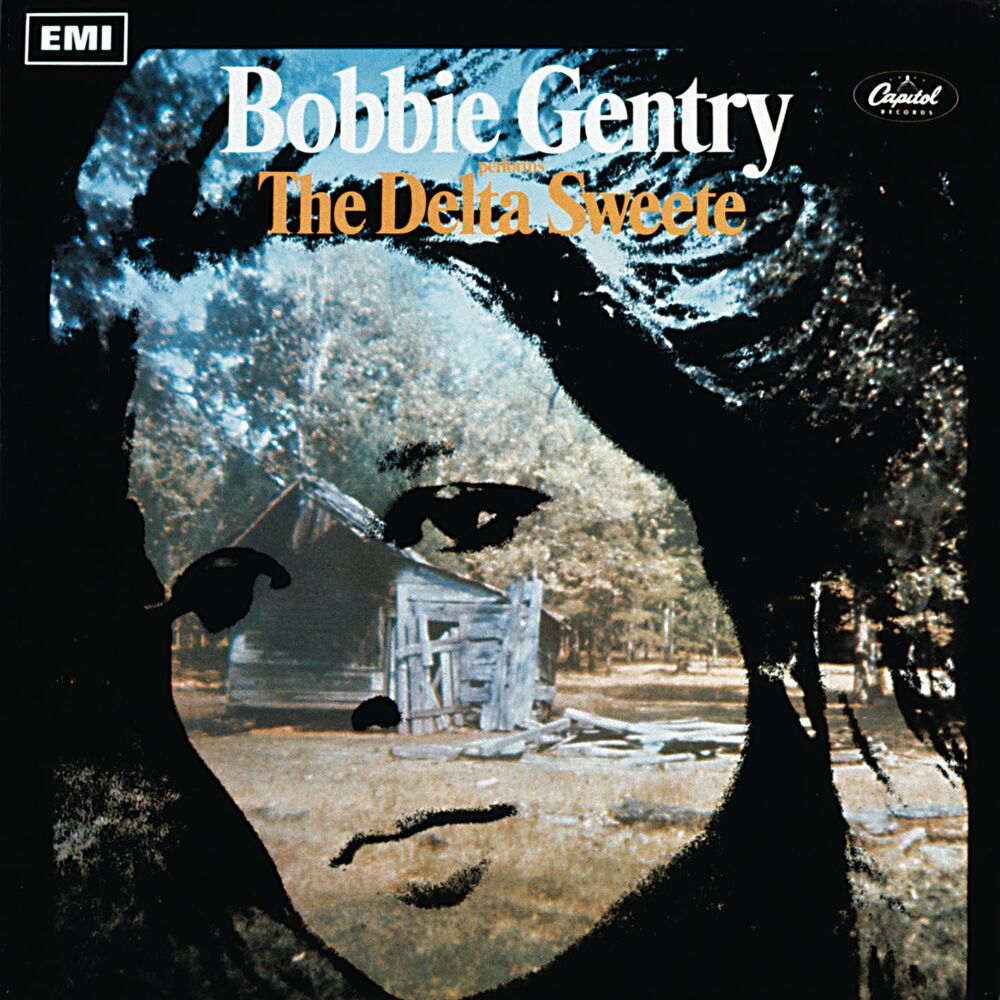
The Sweete in the album's title is a play on words, referring to both Gentry's appearance (a pretty girl in the South might be called a "sweete") and the album's suite structure.
The cover art is evocative of the music on the record. It features a double exposure of a black and white close up of Gentry's face superimposed over a color photo of a shack on Gentry's grandparent's farm where she grew up.
Critical reception
The album received positive reviews upon its release. Billboard said that while "Gentry's last album skyrocketed to the top of the albums chart, this one is not going to even approach that one in sales." The review went on to praise Gentry's singing as "fine", which should still result in "respectable sales."
Cashbox praised the album, saying that Gentry had "survived the storm and her second album is better than her first." They felt that Gentry's songwriting on the album showed her as "an effective ballad writer as well as a skillful portrayer of the life of the Mississippi Delta country."
Stephen Cook from AllMusic gave the album four and a half out of five stars. He praised the album, describing it as "a swampy, folk-tinged combination of blues and country, with uptown touches."
Legacy
The album's critical stature has grown since its initial release. Writing for The Guardian in 2013, writer Dorian Lynskey called the album "a lost masterpiece," noting that "although Capitol's in-house producer Kelly Gordon stamped his name on the credits, most of The Delta Sweete's innovative, sophisticated sound is down to Gentry herself, who played piano, guitar, banjo, bass and vibes. Swampy southern grooves mingle with the latest Nashville trends, blue-eyed soul akin to the more celebrated Dusty in Memphis". Lynskey called Gentry "a fabulously mercurial singer and lyricist," and stated that "she probably doesn't worry about The Delta Sweete not getting its due as a masterpiece. She told her stories, she made her money, she got what she wanted.
Commercial performance
Despite receiving positive reviews from music critics, the album only managed to peak at number 132 on the Billboard Top LPs chart. The album fared a little better on the Cashbox charts, peaking at number 72 on the Top 100 Albums chart and number 26 on the Top Country Albums chart. When asked by NME about the under-performance of the album, Gentry replied, "I didn't lose any sleep over it. I've never tried to second-guess public taste. If I were just a performer and not a writer, I might have felt more insecure about the whole thing."
The album's first single, "Okolona River Bottom Band", was released in November 1967. It peaked at number 54 on the Billboard Hot 100 and at number 49 in Canada on the RPM Top Singles chart.
Released in March 1968, the second single, "Louisiana Man", peaked at number 100 on the Billboard Hot 100, number 72 on the Billboard Hot Country Singles chart and number 23 on Australia's Kent Music Report Singles Chart.
In May 1968, "Refractions" and "Big Boss Man", were released in Japan and France, respectively. Both singles failed to chart.
Reissues
The album was reissued in the US in 1971 by Capitol Records under the title Tobacco Road. This release omits the tracks "Big Boss Man" and "Parchman Farm", reorders the track listing and features new cover art. The album was reissued in the UK in 1972 by EMI's budget label mfp, under the title Way Down South, featuring the original track listing and new cover art.
Australian label Raven Records released the album on CD for the first time in 2006, paired with 1968’s Local Gentry. The album was made available for digital download in 2007.
A deluxe edition of the album was released on July 31, 2020, featuring a new stereo mix of the album by Andrew Batt, (who also co-produced the re-issue) sourced from the surviving four-track and eight-track tapes, along with the original mono mix. The deluxe edition will include 10 bonus tracks, featuring the previously unreleased demo "The Way I Do" and an instrumental version of "Okolona River Bottom Band".