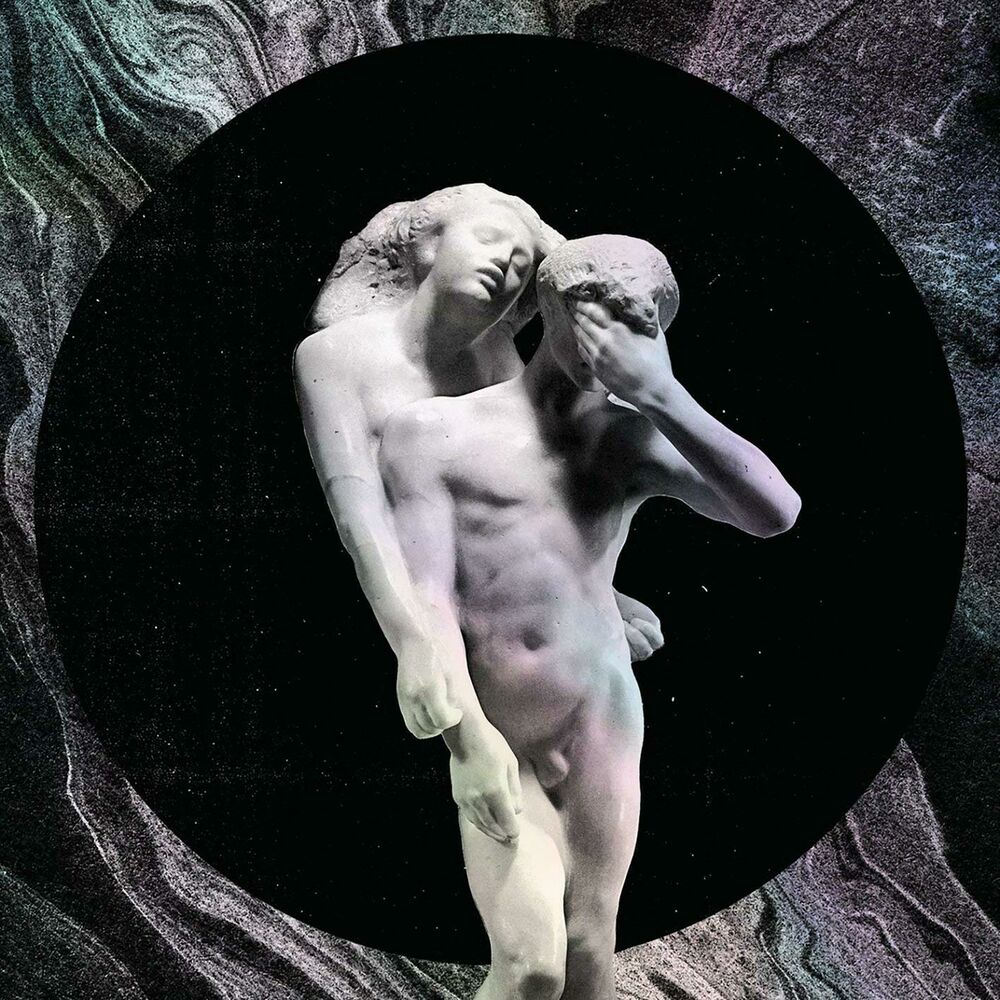
Reflektor
- Released29 October 2013
- UK peak No. 25
- Weeks on UK chart 2
- Entered UK chart 1 June 2014
- LabelSony Music CG
- Tracks13 · 75 min
One track from it charted as a single. Press a flag to play it in the chart where it peaked.
Tracks
| 1 | 7:31 | ||
| 2 | We Exist | 5:44 | |
| 3 | Flashbulb Eyes | 2:42 | |
| 4 | Here Comes the Night Time | 6:31 | |
| 5 | Normal Person | 4:28 | |
| 6 | You Already Know | 3:59 | |
| 7 | Joan of Arc | 5:27 | |
| 8 | Here Comes the Night Time II | 2:52 | |
| 9 | Awful Sound (Oh Eurydice) | 6:14 | |
| 10 | It's Never Over (Hey Orpheus) | 6:43 | |
| 11 | Porno | 6:03 | |
| 12 | Afterlife | 5:53 | |
| 13 | Supersymmetry | 11:17 |
About the album
Reflektor is the fourth studio album by the Canadian indie rock band Arcade Fire, released on October 28, 2013, through Sonovox Records internationally and Merge Records in the United States. A double album, it was recorded between 2011 and 2013 at studios in Montreal, Jamaica, and Louisiana. It was co-produced by LCD Soundsystem frontman James Murphy, regular Arcade Fire producer Markus Dravs, and the band themselves.
Influenced by Haitian rara music, the 1959 film Black Orpheus, and Søren Kierkegaard's essay "Two Ages", Reflektor's release was preceded by a guerrilla marketing campaign inspired by veve drawings and the release of the title track as a limited edition single credited to the fictional band The Reflektors on September 9, 2013. Upon its release, Reflektor received positive reviews from music critics and had a successful commercial performance. The album was recognized as one of The 100 Best Albums of the Decade So Far, a list published by Pitchfork in August 2014.
Background
The album's origins stem from a trip that both vocalist/guitarist Win Butler and multi-instrumentalist Régine Chassagne took to her family's home country of Haiti. Butler said: "Going to Haiti for the first time with Régine was the beginning of a major change in the way that I thought about the world. Usually, I think you have most of your musical influences locked down by the time you're 16. There was a band I [feel] changed me musically, just really opened me up to this huge, vast amount of culture and influence I hadn't been exposed to before, which was really life-changing." Inspired by the country's rara music, Butler and Chassagne incorporated elements of this sound into the band's new material, alongside Jamaican influences. Butler stated, "I mean, it's not like our band trying to play Haitian music. I just felt like we were opened up to a new influence. Bob Marley probably felt the same way the first time he heard Curtis Mayfield." According to the band's manager Scott Rodger, the album cost $1.6 million to make.
Recording
Recording in Louisiana, the band began work on Reflektor in 2011, and subsequently moved to Jamaica the following year with producer Markus Dravs. Working on roughly sixty song ideas, the band wrote and recorded in an abandoned castle, named Trident: "The castle was built in 1979, or something, by this eccentric Jamaican dude who just wanted to hang out with royalty. And it kind of worked. After about five years he couldn't afford to pay the bill, so it had been sitting empty for many years. I met a dude who was planning on turning it into a hotel, so we just rented it off him for cheap and there was nothing in there. We brought in some beds and a piano and some gear." The album was mostly recorded on analog tape.
In August 2012, the band also began working with producer and LCD Soundsystem frontman James Murphy, whom the band had been wanting to work with for over six years. Butler: "LCD Soundsystem to me is like New Order and the B-52's and we deeply share a lot of those influences, and we did completely different things with it. Régine is kind of the person who dances.
Writing and composition
Reflektor is an art rock and dance-rock album. Primary lyricist Win Butler notes that the 1959 film Black Orpheus inspired his lyrics on the album, in particular its themes of isolation and death: "Black Orpheus is one of my favorite films of all time, which is set in Carnival in Brazil. The Orpheus myth is the original love triangle, Romeo and Juliet kind of story. Lyrically, it's not literally about my life. I feel like I'm kind of a bit of a sponge in a way. Like, if people around me are going through things, I find it very hard not to be empathetic." Also influential to the album's lyrical content is an essay by Danish philosopher Søren Kierkegaard, entitled "Two Ages". Butler states, "[It's] about the reflective age. This is like in 1846, and it sounds like he's talking about modern times.
Artwork
The album's artwork incorporates an image of Auguste Rodin's sculpture of Orpheus and Eurydice, taken by Joseph Coscia Jr. at the Metropolitan Museum of Art.
Release
The band released a 15-second music clip on Spotify on September 2, 2013, titled "9pm 9/9" under the album name Reflektor. On September 9, 2013, the band announced a last-minute secret show under the name "The Reflektors" at Montreal's Salsathèque Club, at 9PM for $9. Following the band's September 28 appearance on Saturday Night Live, a 30-minute concert special aired on NBC featuring cameos including Rainn Wilson, Bono, Ben Stiller, James Franco, Michael Cera and Zach Galifianakis. The band debuted three tracks, "Here Comes the Night Time", "We Exist" and "Normal Person". On October 12 the band released a teaser video containing thirty seconds of the song "Awful Sound (Oh Eurydice)". On October 21, the song "Afterlife" was debuted in a music video, playing over edited clips of Marcel Camus's 1959 film Black Orpheus. On October 21, the song "Normal Person" aired on The Colbert Report, with the band identified not as Arcade Fire but only as "The Reflektors".
Critical reception
Reflektor received generally favorable reviews from music critics. At Metacritic, which assigns a normalized rating out of 100 to reviews from mainstream critics, the album received an average score of 80 based on 48 reviews, indicating "generally favorable reviews". David Fricke of Rolling Stone called the album "a perfect summary of their group's still-fervent indie-born hunger after a decade of mainstream success" and, noting its "decisive, indulgent ambition", cited it as "the best album Arcade Fire have ever made". Lindsay Zoladz of Pitchfork described it as "a triumph, but not a victory lap; the band never sounds content enough for that." USA Today stated that on the album, "much of the music — audacious, heavily distorted and bubbling with electronics — sounds magnificently fresh. As the ensemble shape-shifts from the cleaner rock template of The Suburbs and Neon Bible to exotic beat-driven mashups, Arcade owes a debt to David Bowie (who has a brief cameo) and Achtung-era U2.