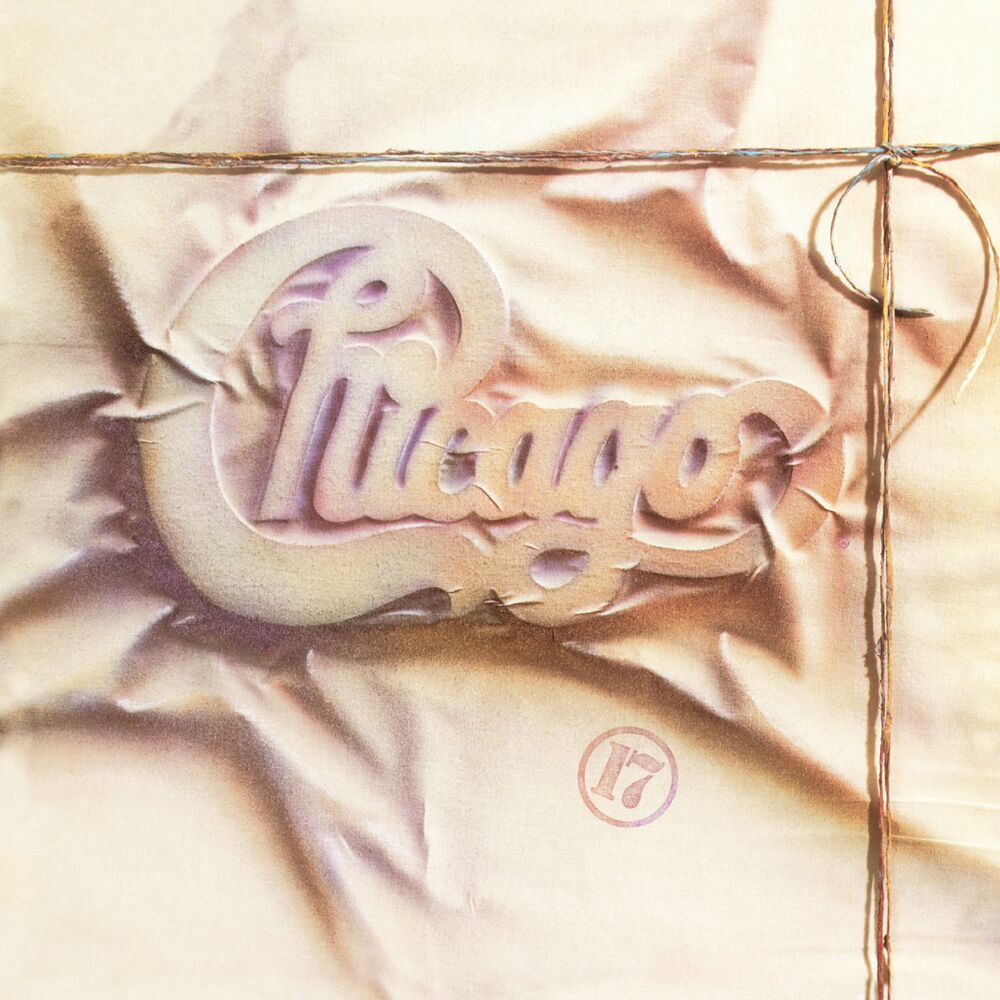
Chicago 17 (Expanded & Remastered)
- Released2 October 2006
- UK peak No. 6
- Weeks on UK chart 27
- Entered UK chart 29 March 1970
- LabelRhino/Warner Records
- Tracks11 · 45 min
4 tracks from it charted as singles. Press a flag to play it in the chart where it peaked.
Tracks
| 1 | Stay the Night (2006 Remaster) No. 16 · 1984 | 3:46 | |
| 2 | We Can Stop the Hurtin' (2006 Remaster) | 4:12 | |
| 3 | 4:43 | ||
| 4 | Only You (2006 Remaster) | 3:54 | |
| 5 | Remember the Feeling (2006 Remaster) | 4:28 | |
| 6 | 4:15 | ||
| 7 | 3:49 | ||
| 8 | Please Hold On (2006 Remaster) | 3:38 | |
| 9 | Prima Donna (2006 Remaster) | 4:11 | |
| 10 | Once in a Lifetime (2006 Remaster) | 4:12 | |
| 11 | Here Is Where We Begin | 3:53 |
About the album
Chicago (retroactively known as Chicago II) is the second studio album by the American rock band Chicago, released on January 26, 1970, by Columbia Records. Like their debut album, Chicago Transit Authority (1969), it is a double album. It was their first album released under the name Chicago—the band's prior name, Chicago Transit Authority, was changed due to a threatened lawsuit from the actual mass-transit operator of the same name—and the first to use the cursive new Chicago logo, which was revamped and interpolated from the previous logo.
Chicago was commercially successful. It reached No. 4 on the US Billboard 200 and No. 6 on the UK Albums Chart, and produced three top ten singles on the Billboard Hot 100. It was certified Gold by the Recording Industry Association of America (RIAA) in April of the same year of its release, and certified
Platinum in 1991. The album received three Grammy Award nominations at the 1971 Grammy Awards: Album of the Year, Best Contemporary Vocal Performance by a Duo, Group or Chorus, and Best Album Cover. It was voted the best album of 1970 by readers of Cash Box magazine, and the 1971 best small-combo LP by readers of Playboy magazine.
Recording, production
The album was produced by James William Guercio, who was Chicago's producer for its first eleven albums, and was recorded in less than a month, during August 1969.
In 1970, James Pankow said about the album, "We . . . think it is better recorded and better played than the first. None of us feel, though, that we are really a recording group yet. We are all scared in the studio. We are really a live group."
Artwork, packaging
The Chicago logo, which made its first appearance on the cover of this album, was designed by John Berg and fashioned by Nick Fasciano, who were both nominated for a Grammy Award for Best Album Cover for their efforts. John Berg said the Coca-Cola logo was the inspiration for the Chicago logo. The cover art work is part of the permanent collection of the Museum of Modern Art in New York City. The band's official web site labels the cover design, "silver bar."
The double-LP album's inner cover includes the playlist; the entire lyrics to "It Better End Soon"; a "Producer's Note" stating, "This endeavor should be experienced sequentially"; and a declaration written by Robert Lamm, "With this album, we dedicate ourselves, our futures and our energies to the people of the revolution. And the revolution in all of its forms."
Critical reception
Contemporary reviews for the album were mixed. In his review for the Chicago Sun Times, writer Al Rudis says Chicago's second album "confirms" that "Chicago is one of the most exciting, most original, and most accomplished jazz-rock groups in existence." whereas in a review for The Village Voice, Robert Christgau gave a review of Chicago as a "D+" and called it "sterile and stupid", writing that if "Duke Ellington never got away with an extended work for horns and meaningfulness, [what] makes James William Guercio and the self-designated revolutionaries who are his cohorts think they can?"
There have been positive retrospective reviews. Lindsay Planer from AllMusic gave the album four-and-a-half out of five stars and said its songs "underscore the solid foundation of complex jazz changes with heavy electric rock & roll that the band so brazenly forged on the first set". Jim Beviglia, writing for American Songwriter, said, "50 years after its release, Chicago II still stands as one of the band’s signature achievements.
Accolades
Other honors
1970: Chicago, Best Album of 1970, Cash Box
1971: Chicago, Best Small-Combo LP, Playboy Jazz & Pop Poll
Production
James William Guercio – producer
Peter Matz – orchestration on "Prelude"
Donald Puluse – engineer
Brian Ross-Myring – engineer
Chris Hinshaw – engineer
Nick Fasciano – cover art
John Berg – cover design
Herb Greene – photography and poster photos
2002 reissue
Paul Klingberg – remixing
John Kellogg – remix producer
Joe Gastwirt – remastering
David Wild – liner notes