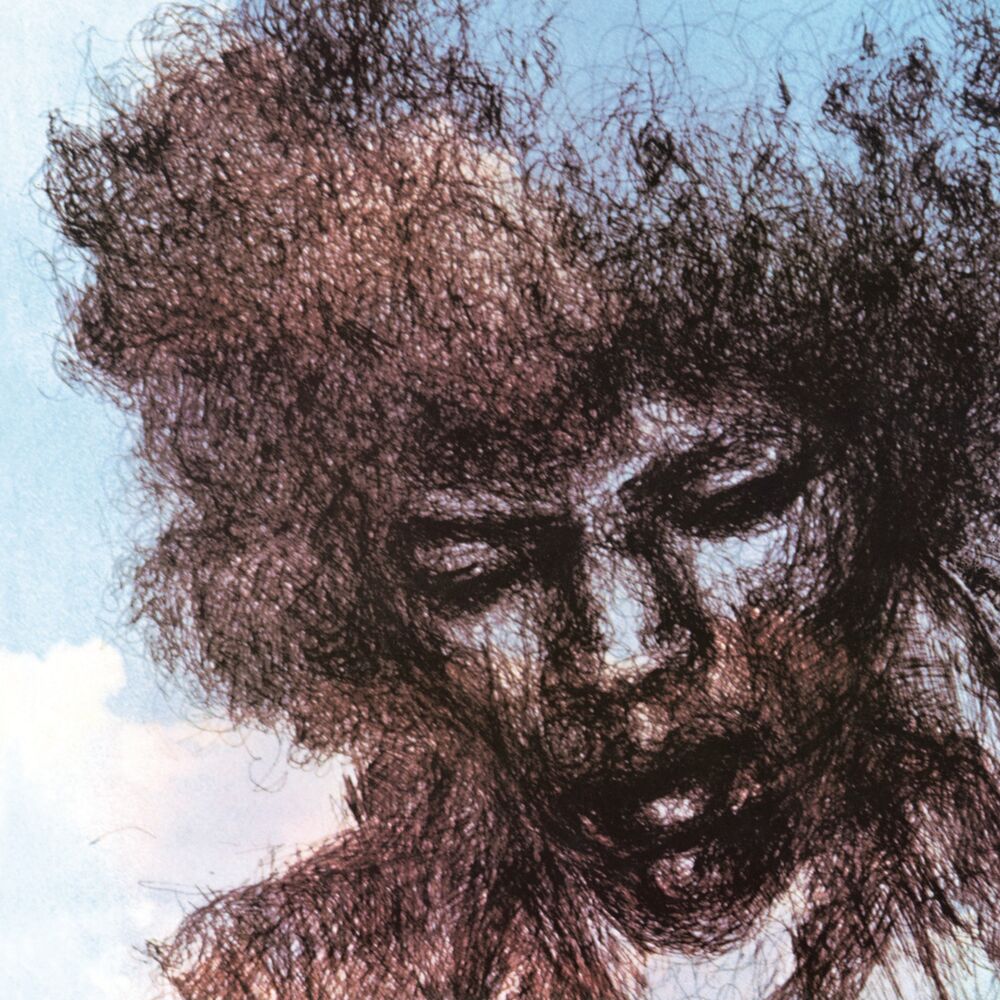
One track from it charted as a single. Press a flag to play it in the chart where it peaked.
Tracks
| 1 | Freedom No. 59 · 1971 | 3:26 | |
| 2 | Drifting | 3:48 | |
| 3 | Ezy Ryder | 4:07 | |
| 4 | Night Bird Flying | 3:50 | |
| 5 | My Friend | 4:36 | |
| 6 | Straight Ahead | 4:42 | |
| 7 | Astro Man | 3:34 | |
| 8 | Angel | 4:21 | |
| 9 | In From the Storm | 3:41 | |
| 10 | Belly Button Window | 3:36 |
About the album
The Cry of Love is the first posthumous album of music by the American rock singer-songwriter and guitarist Jimi Hendrix. Recorded primarily in 1970, it features new material that Hendrix was working on for his planned fourth studio album before his death later that year. While most of the songs were included on proposed track listings by Hendrix, the final selection was made by recording engineer Eddie Kramer and drummer Mitch Mitchell, with input from manager Michael Jeffery. Hendrix, Kramer, and Mitchell are credited as the album's producers, with Jeffery as the executive producer.
Released on March 5, 1971, six months after his death on September 18, 1970, by Reprise Records in the United States and Track Records in the United Kingdom, The Cry of Love was successful on the record charts in both countries and was certified platinum by the Recording Industry Association of America (RIAA) in 1998. Critics responded favorably to the album, viewing it as an impressive tribute to Hendrix. Several of its songs were later featured on other efforts to recreate the album Hendrix had been working on, including Voodoo Soup in 1995 and First Rays of the New Rising Sun in 1997.
Recording and production
The Cry of Love featured songs Hendrix had been working on at the time of his death and was the first attempt at presenting his planned first studio recording since the breakup of the Jimi Hendrix Experience. The Cry of Love is composed mostly of songs which Hendrix recorded in 1970 at his new Electric Lady Studios in New York City with drummer Mitch Mitchell and bassist Billy Cox.
About half of the album's ten songs were nearly completed with mixes prepared by Hendrix. The balance were in varying stages of development and were mixed (and some overdubbed with new parts) after his death.
Release and reception
The Cry of Love was released on March 5, 1971. The album entered Billboard's Top LP's chart in the US at number 17 on March 6 and eventually reached number three. By April, it had achieved one million dollars in sales, and, in 1998, the Recording Industry Association of America (RIAA) certified the album platinum, which indicated sales of one million copies. In the UK, it entered the UK Albums Chart on April 3, where it peaked at number two.
Reviewing for Rolling Stone in 1971, Lenny Kaye hailed The Cry of Love as the authentic posthumous Hendrix album, his last work, and "a beautiful, poignant testimonial, a fitting coda to the career of a man who was clearly the finest electric guitarist to be produced by the Sixties, bar none". That same year, Robert Christgau wrote in The Village Voice that the album is an "excellent testament" and may be Hendrix's best record behind Electric Ladyland (1968) because of its quality as a whole rather than its individual songs.