2 tracks from it charted as singles. Press a flag to play it in the chart where it peaked.
Tracks
| 1 | Bittersweet | 6:43 | |
| 2 | Stuck on the Shelf | 9:50 | |
| 3 | Abuse | 6:11 | |
| 4 | Wish You Were Here No. 43 · 1997 | 6:23 | |
| 5 | Sinking | 7:36 | |
| 6 | One Night Stand No. 30 · 1996 | 8:58 | |
| 7 | Space Dust | 2:24 | |
| 8 | Hot Knives at Lunchtime | 5:15 | |
| 9 | Losing It | 7:23 | |
| 10 | Sunk | 2:39 | |
| 11 | The Last Stand | 9:06 |
About the album
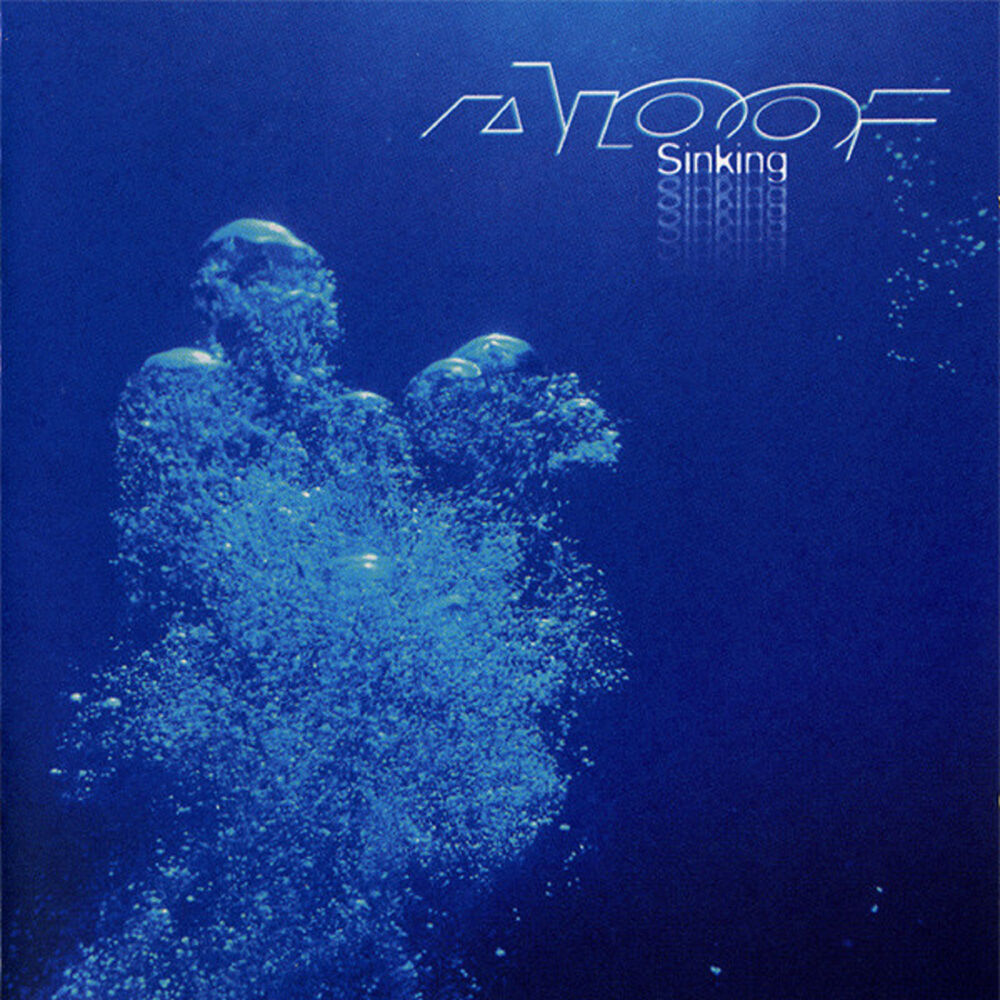
Sinking is the second studio album by British electronic music group the Aloof, released by East West Records in the United Kingdom on 27 May 1996. Following the rave-influenced style of the group's debut album Cover the Crime (1994), Sinking brought the band into a darker, more mellow direction, as the result of the group's desire to deliver a "band" feel, aided by the members' newfound disillusionment with club culture. The record fuses styles of techno, dub, trip hop and jungle music and incorporates string arrangements and sombre lyrics.
The album's amorphous musical style was reflected in East West's wide-spanning promotional campaign for the record, which included a two-hour Party Zone special on MTV Europe. Although Sinking did not chart, four singles were released from the album, two of which reached the UK Singles Chart in 1996: "Wish You Were Here", which reached number 61 and "One Night Stand" which reached number 30, becoming the band's biggest hit single. A remixed version of "Wish You Were Here" was then released in early 1997, peaking at number 43. The album received critical acclaim, with journalists complimenting the band's new direction. In 2000, it was named the 46th best dance album of all time in the final edition of the book All Time Top 1000 Albums.
Background and recording
The Aloof formed as an electronic duo in 1990, consisting of disc jockey Dean Thatcher and producer Jagz Kooner (also a member of The Sabres of Paradise). Their single "Never Get Out of the Boat" was originally a white label release, but was soon reissued by FFRR. The Aloof's line-up expanded within a year to include programmer Gary Burns (Kooners' Sabres bandmate) and vocalist Ricky Barrow, and the group signed to Cowboy Records. After transitioning from a nightclub act to a "true live band", they added drummer Richard Thair in 1993 before setting up their own label Flaw Records, on which they released their debut album Cover the Crime (1994). The record charted successfully on the UK Independent Albums Chart, and received the attention of East West Records, who consequently signed the Aloof and re-released Cover the Crime in 1995.
Sinking was recorded for East West in early 1996. The label's A&R manager Stanley left the Aloof to record the album alone without label interference.
Composition
Sinking consists of a mixture of songs and instrumentals, linked by a common theme of abuse of drugs, using other people and self-harm. Dominic Pride of Billboard described the album as a sinister, drug-influenced release that fuses dub, jungle and techno music with "blunted beats" and 'soaring' strings, thus creating a sound that eschews easy labelling. He further commented that the material is not dance music, contrary to some accounts, because the record is "anything but danceable." Keyboard magazine described the record as an unusual exploration of techno, dub and trip hop. The dark feel to the record is represented in its unique vocals, distorted beats, atmospheres and strings.
Barrow's lyrics for Sinking are bitter and melancholic. The introspective lyrics, dub-styled production and lush dynamics of the album drew frequent comparisons to Massive Attack, and the Aloof welcomed comparisons to Underworld and Leftfield, acts who helped "break down the barriers" of dance music and indie rock.
Release and promotion
Despite the album's amorphous musical style, with the Aloof consciously avoiding being "put in a bracket" according to Thatcher, East West UK were undaunted by the album and marketed its unusual sound in a wide-ranging promotional approach to help the record reach the band's diverse audience. The label's marketing director Elise Taylor said the campaign covered "all bases" by advertising the album in both the mainstream and dance press and putting flyers outside concert venues, as well as targeting both independent and major stores for the album's retail. On 31 May 1996, the Aloof were the subject of a two-hour Party Zone special on MTV Europe, which featured all of the group's music videos in addition to interviews and live performances. MTV Europe producer James Hyman devoted the whole episode to the group because of his belief in the group, and he felt the underground audience that Party Zone attracted would crossover with that of the band's fan base.
Sinking was released by East West in the United Kingdom on 27 May 1996, but failed to reach the UK Albums Chart.
Critical reception
Upon release, Sinking received critical acclaim; Ian Cranna of Q said that "dance music that actively engages the head and emotions is a rare beast but The Aloof are just such a treat... Haunting melancholy hooks and cyclical rhythms weave in and out of driving, evolving electrogrooves as bits of the past are remodelled and evocative touches added. NME's Iestyn George noted that the record was more laidback than the group's debut album, stating, "Sinking is apparently the result of less clubbing and more time listening to [Gary] Burns' stash of blues records... And the assertion that there's more to The Aloof than an explosive tribal drum break is borne out by vocalist Ricky Barrow's arresting brand of bitter lyrical melancholy." Martin James of Melody Maker awarded the album the magazine's "recommended" rating and said that "Sinking offers that rare thing — an album without fillers.