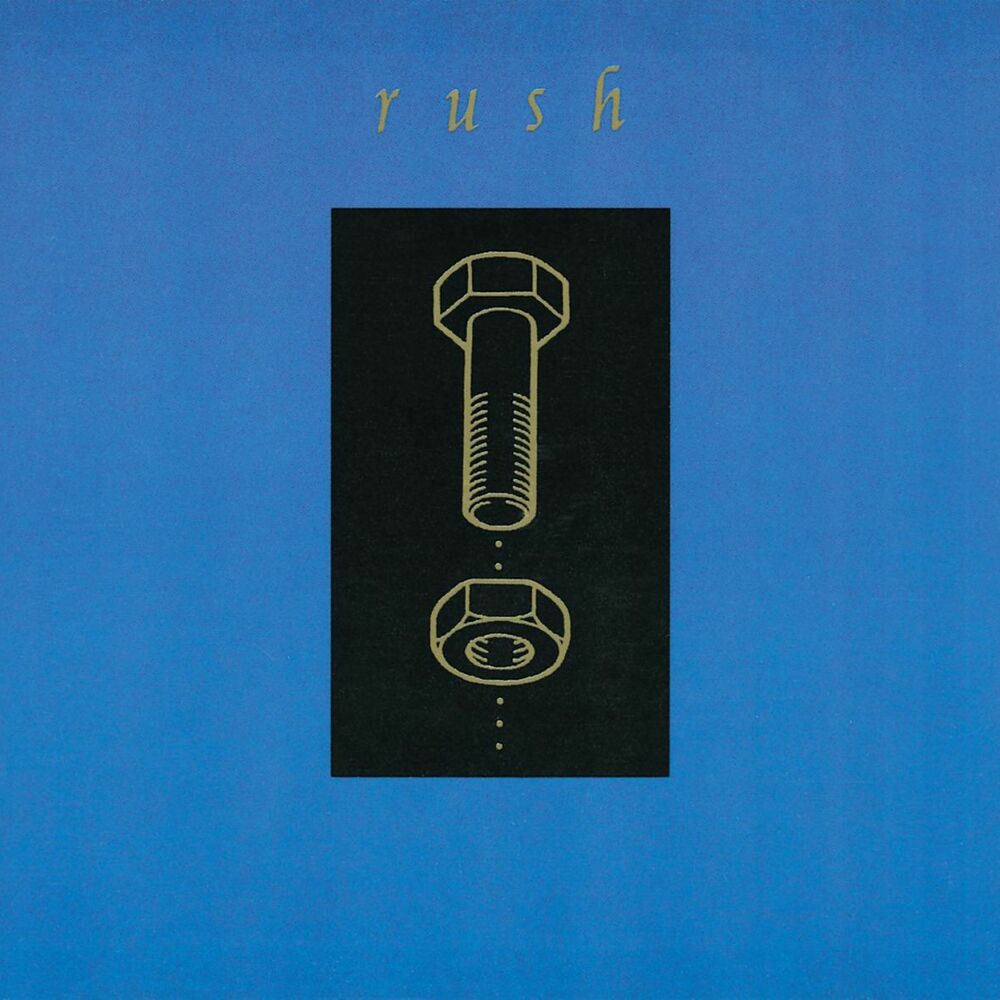
Counterparts (2004 Remaster)
- Released28 September 1993
- UK peak No. 14
- Weeks on UK chart 3
- Entered UK chart 24 October 1993
- LabelAtlantic Records
- Tracks11 · 54 min
Tracks
| 1 | Animate (2004 Remaster) | 6:03 | |
| 2 | Stick It Out (2004 Remaster) | 4:30 | |
| 3 | Cut to the Chase (2004 Remaster) | 4:48 | |
| 4 | Nobody's Hero (2004 Remaster) | 4:54 | |
| 5 | Between Sun & Moon (2004 Remaster) | 4:37 | |
| 6 | Alien Shore (2004 Remaster) | 5:46 | |
| 7 | The Speed of Love (2004 Remaster) | 5:01 | |
| 8 | Double Agent (2004 Remaster) | 4:51 | |
| 9 | Leave That Thing Alone (2004 Remaster) | 4:05 | |
| 10 | Cold Fire (2004 Remaster) | 4:26 | |
| 11 | Everyday Glory (2004 Remaster) | 5:11 |
About the album
Counterparts is the fifteenth studio album by Canadian rock band Rush, released October 18, 1993, in the UK and October 19 worldwide, through Anthem Records. After the band finished touring its previous album Roll the Bones (1991) in mid-1992, the members took a break before starting work on a follow-up.
Counterparts reached No. 2 in the United States, one of the band's two highest-charting albums in the country, and No. 6 in Canada. The first single, "Stick It Out", was No. 1 on the Billboard Album Rock Tracks chart for four weeks. In 1994, the instrumental "Leave That Thing Alone" was nominated for a Grammy Award for Best Rock Instrumental Performance. Counterparts was remastered in 2004 and reissued in 2013 as part of The Studio Albums 1989–2007 box set. In 2015 it was reissued after being remastered by Sean Magee at Abbey Road Studios following a direct approach by Rush to remaster their entire back catalogue.
Background and writing
In June 1992, the band finished their Roll the Bones Tour in support of Roll the Bones (1991). Before the group started to work on the album they casually set out some goals that they wanted to achieve with it from conversations during the Roll the Bones Tour. They agreed to achieve "a sense of balance between spontaneity and refinement [...] and perhaps work on a more organic approach to the songs". The group agreed that rock band Primus, who opened for them on the Roll the Bones Tour, and Pearl Jam influenced them to tweak their sound further.
As with their previous two studio albums, Rush retreated to Chalet Studios in Claremont, Ontario, to write and rehearse new material during the week, returning home on weekends to see their families. They adopted their usual practice of Lee and Lifeson working on the music while Peart worked alone on the lyrics. They stayed at Chalet for about two months, and rehearsed well enough so they could concentrate on obtaining a satisfactory sound and a spontaneous performance for their respective parts.
Recording
Lee recalled the difficulty the band had in achieving more power from some tracks with producer Rupert Hine on Roll the Bones in the studio but were able to on tour, "and I think that stuck in the back of our minds." This matching of music and production style became an element that the band wanted to focus on for Counterparts and in doing so wanted to work with different producers and engineers. Initially, they talked to a lot of young producers, but they soon realized that there was little to gain from someone who had worked on fewer albums than the group had released over its career, and sought someone experienced. Rush chose English producer Peter Collins who'd co-produced Power Windows (1985) and Hold Your Fire (1987) with the band. Lee said that the band had remained friendly with Collins, and noticed he'd developed as a producer since they'd last worked with him, including his work with more American rock bands.
Release
Before the album was released, it premiered during a radio special hosted by Steve Warden on CILQ in Toronto on October 14, 1993.
It debuted at No. 2 on the Billboard album chart for the week ending Nov. 6, 1993, kept out the top spot by another debuting album, Pearl Jam's Vs. Counterparts earned a gold certification in the United States in December 1993. The album earned a gold certification in Canada in 1994.
The band supported Counterparts with a four-month tour limited to the United States and Canada. Relations between the members were reportedly tense, and they followed the tour with a long break, during which lead singer/bass player Geddy Lee planned to spend time with his growing family, while each member explored other creative interests, such as a Lifeson solo album.
Reception
This album was well received by fans and reviewers, hitting the shelves at #2 on the charts (Rush's first album to do this), and going gold in only one month, despite being prog rock during the peak of grunge. The album did return the band to a more aggressive rock sound. Retroactively, it is seen as a typical Rush album, with strong composition and performance, but with somewhat formulaic, conservative song writing. On Spotify, Animate and Nobody's Hero each stand out as having two to three times as many plays as the next-most-played tracks. Progarchives calls it their best album of the 1990s.